AB 1604 (Stefani) — Banning Intentionally-added Bisphenols in Thermal Receipt Paper
OVERVIEW
AB 1604 protects Californians from toxic chemical exposure and reduces contamination in the recycling system by prohibiting the use of intentionally added bisphenols in thermal receipt paper.
Thermal paper receipts are a ubiquitous but overlooked source of hazardous chemicals and unrecyclable waste. By eliminating bisphenols—a class of endocrine-disrupting chemicals—from receipts, AB 1604 advances both public health and California’s circular economy goals.
ISSUE
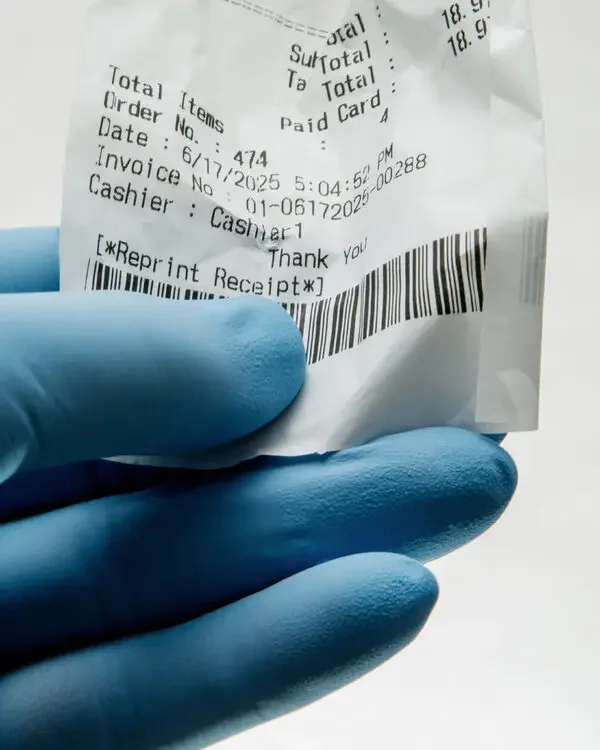
Millions of Californians are exposed daily to bisphenols through routine handling of paper receipts. These chemicals are not chemically bound to the paper and readily transfer through skin contact, making receipts a direct and preventable exposure pathway.
At the same time, thermal receipts contaminate the paper recycling stream. Because the bisphenol coating cannot be separated from the fiber, receipts are widely considered non-recyclable and can degrade the quality and safety of recycled paper products.
Despite these risks, safer, bisphenol-free alternatives are already in the market and increasingly available.
THE PROBLEMS
A. Toxic Chemical Exposure
Bisphenols such as BPA and BPS are well-documented endocrine disruptors linked to:
Hormonal disruption
Infertility and developmental harms
Obesity and diabetes
Increased risk of breast and prostate cancer
Exposure occurs through simple handling. Studies show that even brief contact with receipts can transfer bisphenols through the skin at levels exceeding safety thresholds.
Retail workers—especially cashiers—face disproportionate exposure, with significantly higher concentrations of bisphenols detected in their bodies.
B. Regrettable Substitutions
As evidence mounted against BPA, manufacturers shifted to BPS and other analogues—chemicals with similar toxicological profiles.
Approximately 80% of receipts now contain BPS
Only ~20% are bisphenol-free, demonstrating both the scale of the problem and the feasibility of alternatives
Without regulating the full class, harmful substitutions will continue.
C. Waste Stream Contamination
Thermal receipts are:
Not recyclable due to chemical coatings
A source of contamination in paper bales
A contributor to downstream exposure via recycled paper products
Evidence shows bisphenols can persist through the recycling process and appear in recycled paper goods, undermining both environmental and market integrity.
THE SOLUTION
AB 1604 takes a comprehensive, science-based approach by eliminating the entire class of bisphenols from receipt paper.
By doing so, the bill:
Protects public health by removing a major source of everyday chemical exposure
Prevents regrettable substitution by regulating bisphenols as a class
Improves recycling outcomesby eliminating a known contaminant from the paper stream
Aligns California with global leadership, including the European Union and Washington State, which have already acted on this issue
This is a practical, upstream solution that addresses both environmental and human health harms at their source.
WHAT YOU NEED TO KNOW
Register your organization’s support to our Coalition Sign-on Support Letter! Fill out this quick form to sign on here.
Bill Status: Governor’s Desk
Position: Co-sponsored Californians Against Waste and Breast Cancer Prevention Partners
Key Support: a diverse array of environmental advocates, public health entities, waste industry stakeholders, and other NGO's. Find a Current Copy of the Letter addressed to the Assembly Judiciary Committee here.
Contact:Tony Hackett
Fact Sheet:Updated 2/3/2026
Current language, analysis, and votes:AB 1604
AS SEEN IN

There Is No Justification for Disposable Vapes – Period. by Tony Hackett