2017-2018 Legislation
SB 452 (Glazer) Bottle Bill Fix - Vetoed by Governor.
Outdated regulatory provisions and falling material scrap prices as a result of cheap oil have caused a beverage container recycling center closure crisis in California. In response, SB 452 proposes a short-term fix for California's Beverage Containers Recycling Program that would increase payments to all recycling centers, financially assist new centers in opening their doors, and reinstate California's Plastic Market Development Program to support in-state processing of recycled material.
SB 168 (Wieckowski) Minimum Recycled Content - Status: Inactive, Last Location: Assembly Floor. SB 168 requires Calrecycle to establish minimum recycled content standards for beverage containers. While Californians are proud of their recycling efforts, most are unaware that while our collection for recycling rates are high, much of the materials are in fact exported overseas for recycling. Half of PET beverage containers collected for recycling are still exported out of state, and out of the country to China, Vietnam and elsewhere. This bill will increase the amount of plastic recycling in-state, meet consumers' basic expectations for buying recycled products, and create parity with the other container minimum recycling laws.
SB 1335 (Allen) Sustainable Food Packaging - SIGNED INTO LAW! This bill seeks to have California lead the way in sustainable packaging by requiring all state properties to provide only recyclable and compostable food packaging materials. Products that are not readily recycled would be prohibited from dispersal - such as expanded polystyrene foam, or "Styrofoam." SB 1335 would help California meet its waste diversion goals while simultaneously tackling products that contribute to plastic pollution.
AB 1884 (Calderon) Straws Upon Request - SIGNED INTO LAW! In an effort to stop plastic pollution and reduce the overwhelming amount of single-use plastic Californian's consume on a daily basis, Assembly Bill 1884 would require sit-down restaurants in California to forgo the automatic distribution of straws in every drink, and instead only provide a straw when it is requested by the customer. CAW is supporting this bill.
AB 2908 (Berman) Tire Recycling Incentive Program - Vetoed by Governor. This bill would create the Tire Recycling Incentive Program to help expand the state’s tire recycling infrastructure to reduce greenhouse gases, create jobs and economic opportunity, and cut the statewide and local costs associated with tire pile cleanup and illegally dumped tires.
SB 1422 (Portantino) Testing Drinking Water for Microplastics - SIGNED INTO LAW! This bill would require annual testing for the presence of microplastics in drinking water and the public disclosure of test results. Consumers have a right to know what they are ingesting and SB 1422 will provide useful data on the presence of microplastics in drinking water.
SB 1263 (Portantino) Statewide Microplastics Strategy - SIGNED INTO LAW! This bill would require the Ocean Protection Council to adopt and implement a statewide microplastics strategy. A growing body of research has shown that microplastics are present in marine environments, within marine organisms, and in drinking water.
SB 212 (Jackson) Sharps and Pharmaceuticals Take-Back Program - SIGNED INTO LAW! This bill establishes producer-funded take-back programs to provide safe and convenient disposal options for home-generated pharmaceutical drugs and sharps waste. The pharmaceutical drug take-back creates a statewide system of kiosks for safe disposal of unwanted drugs in the home. The home-generated sharps take-back program establishes a fully funded mail-back system.
AB 2766 (Berman) Plastic Market Development - Inactive. Last Location: Senate Appropriations. This bill would reinstate California’s successful Plastic Market Development (PMD) program for an additional five years. Prior to sunsetting on December 31, 2017, the PMD program ensured that between 75-80% of all plastic bottles were collected, processed, and manufactured into new products right here in California – providing quality in-state jobs, conserving natural resources, and keeping product-associated greenhouse gas emissions low. CAW is sponsoring this bill.
AB 2110 (Eggman) Right to Repair - Inactive. Last Location: Assembly Privacy and Consumer Protection committee. In order to reduce the volume of electronic waste generated due to the replacement of products rather than repair, right to repair requires manufacturers of electronics to provide repair information, tools, and replacement parts to independent repair shops as well as product owners. Manufacturers who don't share repair information are able to set artificially high prices for repairs, which results in a high turnover of electronics. CAW is sponsoring this bill.
AB 1288 (Eggman) Tip Fee Reform - Inactive. Last Location: Senate Environmental Quality Committee. AB 1288 seeks to address the need for more organics recycling infrastructure in order to meet the 75% organic waste diversion mandate set by the Short Lived Climate Pollutant law, SB 1383. As cities begin to comply with these organic waste diversion rates, they will have to face tough decisions when deciding how to fund new recycling programs. Raising the funds at a statewide level will allow for the funding of needed infrastructure without tough decisions at the local level. If the state is going to meet it's organic waste diversion mandates, significant investments in additional organics recycling facilities are needed.
AB 1036 (McCarty) Composting - Inactive. Last Location: Senate Environmental Quality Committee. AB 1036 seeks to address the disparity between the statewide goals and mandates to divert organic waste from landfills and the contradicting regulations from state agencies involved in permitting organics recycling facilities. If the state is to achieve diversion goals, including 75% organics diversion by 2025 set by last year's Short Lived Climate Pollutant bill signed into law, significant expansion and construction of organics infrastructure is needed.
AB 2779 (Stone, Calderon) Connect the Cap - Inactive. Last location- Assembly floor. Plastic bottle caps are the third most commonly found item during California beach ups and pose a severe threat to birds and marine wildlife that mistake them for food. At least five billion, and up to ten billion, plastic bottle caps just from California are estimated to enter our landfills or environment every year. These caps are made of recyclable plastic and are recyclable through existing beverage container recycling infrastructure. This bill would eliminate this source of plastic pollution by requiring all plastic beverage containers sold in California to have a cap that is connected to it's bottle. CAW is supporting this bill.
AB 2379 (Bloom) Plastic Microfiber Pollution - Inactive. Last location- Assembly floor. This bill would have required that all clothing made from more than 50% or more synthetic fabric to include a label that warns of plastic microfiber shedding which contributes to marine plastic pollution. Microfibers are a subcategory of microplastics consisting of plastic fibers that shed from synthetic fabric during regular washing. Right now, it’s estimated that plastic microfibers are, by count, the single largest contributor to watershed plastic pollution in developed countries and account for a significant portion of plastic waste entering the ocean.
SB 458 (Wiener) Mobile Recycling Centers - SIGNED INTO LAW!
SB 458 authorizes the creation of five pilot project bottle recycling centers across the state. Until 2022, these centers will bring beverage container recycling services to areas that currently have little to no ability to redeem their deposits paid on beverage containers. CalRecycle is currently in the process of drafting regulations related to the execution of this temporary program.
AB 954 (Chiu) Food Waste Reduction - SIGNED INTO LAW! AB 954 is an important next step from last year's CAW sponsored bill which addressed confusing food date labels. Confusing, misleading, and cryptic food labels lead many consumers and stores to throw out perfectly healthy food every day. Date labels on food come in a dizzying variety of forms including “use by,” “best before,” “sell by,” and “enjoy by” dates, yet these simple markers are both poorly understood and surprisingly under-regulated, such that their meanings and time frames are generally not defined.
AB 1158 (Chu) Carpet Recycling - SIGNED INTO LAW! AB 1158 would increase carpet recycling by 50% in two years by requiring a carpet stewardship plan to achieve a 24% recycling rate for postconsumer carpet by January 1, 2020; the bill would authorize CalRecycle to set future recycling benchmarks. The bill would protect consumer recycling fees funds from inappropriate uses such as paying civil penalties assessed by the State, or subsidizing the incineration of carpet. The bill would expand the participants on the carpet advisory committee and require that the recommendations of the committee be incorporated into the carpet stewardship plan, to the extent feasible. The bill would require that carpets purchased for use by the State includes a minimum amount of recycled carpet material.
AB 1219 (Eggman) The CA Good Samaritan Food Donation Act - SIGNED INTO LAW! AB 1219 will strengthen the laws which protect food donors in order to maximize food donations. Currently many businesses, retailers, and restaurants are either not aware of laws which protect food donors or are confused with the current laws in place. Food is the single most prevalent item in the waste stream and at the same time we have a hunger crisis in the state which affects one in eight Californians, including one in four children. By making clarifications and strengthening particular provisions, we can help to get more food to those who need it and less food going into landfills. CAW is a co-sponsor of the bill along with the California Association of Food Banks.
AB 1294 (Berman) Recycled Content Claims - SIGNED INTO LAW! This measure extends a requirement for manufacturers or suppliers of plastic products making claims related to the recycled content of a plastic product to maintain information and documentation to support that claim. Many environmentally conscious consumers often buy for products that claim to be "green", and unfortunately there are companies who seek to take advantage of that without having a product that is truly green. Requiring companies to maintain this information helps protect California consumers from companies that aren't truthful in their environmental claims.
AB 319 (Stone) Connect the Cap - Dead. Last Location: Assembly Floor. AB 319 would require that every plastic bottle sold in California has a cap that is connected to its bottle by 2020. By requiring connected caps, this bill would prevent bottle cap pollution in our environment, save bottle manufacturers money, and provide additonal material for recyclers to recover. Bottle caps are currently recovered at a low rate compared to bottles and are one of the top three items found in every large-scale beach clean-up in California where they are mistaken for food by wildlife, contribute to the growing plastic pollution in our ocean, and contribute to local government clean-up costs.
AB 509 (Frazier) Tire Recycling - Dead. Last location- suspense file, Senate Appropriations Committee. AB 509 would reform incentive payments to increase the state's stagnant recycling rate and allow recyclers to compete with disposal, export and illegal dumping alternatives. This would help expand the state's tire recycling infrastructure to reduce greenhouse gases, create jobs, and cut the statewide and local costs associated with tire cleanup. Fifty percent of the funds generated from this program will go to fund rubberized asphalt products; the remainder will go to other recycled products.
SB 705 (Allen) Sustainable Takeout Food Packaging - Dead. Last Location: Senate Floor. SB 705 would ban expanded polystyrene (commonly known as 'Styrofoam) food takeout containers statewide. Food packaging such as expanded polystyrene has a low recycling rate in the state due the lack of available recycling locations as well as the contamination of food making it virtually useless for recyclers. Polystyrene is one of the largest component of marine debris pollution because it is easily transported by wind and rain into the marine environment. Once in the environment, it kills marine wildlife, including sea birds and turtles, which mistake it for food.
AB 319 (Stone) - Connect the Cap
Summary: AB 319 would require that every plastic bottle sold in California has a cap that is connected to its bottle by 2020. By requiring connected caps, this bill would prevent bottle cap pollution in our environment, save bottle manufacturers money, and provide additonal material for recyclers to recover. Bottle caps are currently recovered at a low rate compared to bottles and are one of the top three items found in every large-scale beach clean-up in California. Once a part of our environment, bottle caps are mistaken for food by wildlife, contribute to local government clean-up costs, and eventually become part of the ever-increasing plastic pollution problem in our oceans.
Position & Status: CAW supports the bill. This bill is no longer active.
Introduced February 6th, 2017
Passed Assembly Natural Resources committee January 8, 2018
The bill was not brought up for a vote on the Assembly floor and is no longer an active bill.
More details: Californians consume an average of 11.5 billion plastic bottles every year. Despite California's high recycling rate for all beverage containers, most plastic bottle caps are not returned for recycling. They are lost due to their size and easily blown out of trash bins and landfills and into our waterways. On average, more than 5 billion plastic caps enter our natural environment every year. We have the solution: #ConnectTheCap!
Contact: Tony Hackett (916) 443-5422
Current Language, Analysis, and Votes
Support:
Algalita Marine Research Foundation
Audubon California
Crystal Geyser
California League of Conservation Voters
California Product Stewardship Council
California Resource Recovery Association
Californians Against Waste
Carbon Lite Industries
City and County of San Francisco
City of Oceanside
Clean River Alliance
Clean Water Action
Defenders of Wildlife
East Yard Communities for Environmental Justice
Environment California
Heal the Bay
Los Angeles Alliance for a New Economy
Nasa Services
National Parks Conservation Association
Northern California Recycling Association
Plastic Pollution Coalition
Save the Albatross Coalition
Save the Bay
Seventh Generation Advisors
StopWaste
Surfrider Foundation
The 5 Gyres Institute
The Watershed Project
Upstream Policy
Zero Waste USA
Zero Waste Youth
AB 509 (Frazier) - Tire Recycling Incentive Program (TRIP)
Summary: AB 509 is designed to reduce greenhouse gases while simultaneously creating jobs by establishing a Tire Recycling Incentive Program (TRIP).
Position & Status: CAW is the sponsor of this bill. This is not an active bill.
Introduced February 13th, 2017
Passed Assembly Natural Resources committee April 17th, 2017
Passed Assembly Appropriations committee May 26th, 2017
Passed Assembly Floor May 31st, 2017
Passed Senate Environmental Quality committee July 5th, 2017
Held in Suspense File in the Senate Appropriations committee on September 1st, 2017.
Description: California generates more than 44 million waste tires every year; AB 509 will significantly increase tire recycling, support local infrastructure development, and reduce the incentive for illegal dumping of waste tires. This bill requires CalRecycle to develop and establish the program, which provides incentives for recycled products. This program is expected to double the state’s tire recycling rate from 37 percent to 75 percent by the year 2020. Fifty percent of the funds generated from this program will go to fund rubberized asphalt products; the remainder will go to other recycled products.
CAW Staff Contact: Nick Lapis, (916) 443-5422
AB 954 (Chiu) - SIGNED INTO LAW
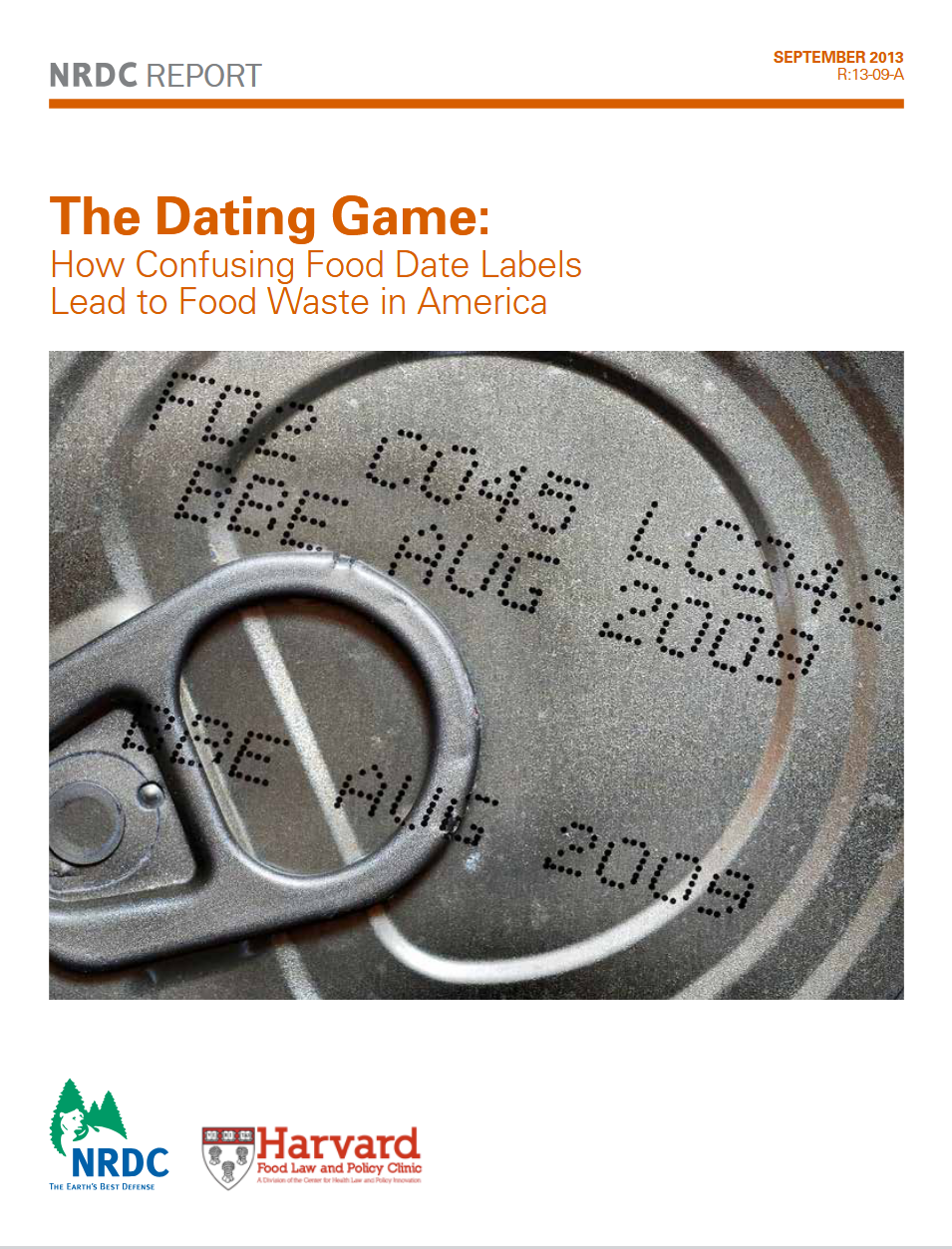
Summary: AB 954 is an important next step in addressing confusing food date labels. AB 954 requires the California Department of Food & Agriculture to promote the widespread use of uniform phrases with meaning, "BEST if Used by" or "BEST if Used of Frozen by" to indicate freshness date labels, and "Use by" or "Use or Freeze by" to indicate safety date labels.
Position & Status: CAW is the sponsor of the bill.
Introduced February 16th, 2017
Passed the Assembly Natural Resources committee April 25th, 2017
Passed Assembly Appropriations committee May 26th, 2017
Passed Assembly Floor vote (76-0) May 30, 2017
Passed Senate Agriculture committee June 20th, 2017
Passed Senate Health committee July 5th, 2017
Passed Senate Appropriations committee September 1st, 2017
Passed Senate Floor Vote (33-6) September 11, 2017
Passed Assembly Concurrence Vote September 13th, 2017
Signed into law on October 15th, 2017.
Description: Confusing, misleading, and cryptic food labels lead many consumers and stores to throw out perfectly healthy food every day. Date labels on food come in a dizzying variety of forms including “use by,” “best before,” “sell by,” and “enjoy by” dates, yet these simple markers are both poorly understood and surprisingly under-regulated, such that their meanings and time frames are generally not defined. AB 954 will continue to address this issue while also considering the status of industry efforts, which have moved quickly since the introduction of AB 2725 in the last legislative session. The phrases that CDFA will be required to promote are the exact phrases currently being adopted by two major trade associations. With California also promoting a more widespread use of these uniform food date labels, we will see the standardization of food date labels much sooner. The bill also includes a provision which allows CDFA to accept non-state funds for consumer education of the meaning of date labels in order to reduce consumer confusion and food waste.
Contact: Erica Parker, (916) 443-5422
Current Language, Analysis, and Votes
Support:
Californians Against Waste (Sponsor)
Azul
California Association of Local Conservation Corps
California Compost Coalition
Castro Valley Sanitary District
Clean Water Action
Environmental Working Group
Food Finders
Food Forward
Friends of the Earth
Green Long Beach
Harvard Food Law and Policy Clinic
Kiss the Ground
Los Angeles Food Policy Council
Marin Sanitary Service
Meet Each Need with Dignity
Napa Recycling & Waste Services
Natural Resources Defense Council
Northern California Recycling Association
Pesticide Action Network
Solid Waste Association of North America
St. Francis Center
Stop Waste
Sustain LA
Urban and Environmental Policy Institute
AB 1036 (McCarty) Compost
Summary: AB 1036 seeks to address the disparity between the statewide goals and mandates to divert organic waste from landfills and the contradicting regulations from state agencies involved in permitting organics recycling facilities.
Position & Status: CAW is the sponsor of the bill. This is not an active bill.
Introduced February 16th, 2017
Passed Assembly Natural Resources committee April 3rd, 2017
Passed Assembly Appropriations committee April 26th, 2017
Passed Assembly Floor vote May 4th, 2017
Description: If the state is to achieve diversion goals, including 75% organics diversion by 2025 set by last year's Short Lived Climate Pollutant bill signed into law, significant expansion and construction of organics infrastructure is needed.
Contact: Nick Lapis, (916) 443-5422
AB 1158 (Chu) Carpet Recycling -SIGNED INTO LAW
Summary: Would require a carpet stewardship plan to achieve a 24% recycling rate for postconsumer carpet by January 1, 2020, and would authorize CalRecycle to set future recycling rate goals. The bill would protect consumer recycling fee funds from inappropriate uses such as paying civil penalties assessed by the State, or subsidizing the incineration of carpet. The bill would expand the participants on the carpet advisory committee and require that the recommendations of the committee be incorporated into the carpet stewardship plan, to the extent feasible. The bill would require that carpet purchased for use by the State includes a minimum amount of recycled carpet material.
Position & Status: CAW supports the bill.
Introduced February 17th, 2017
Passed Assembly Natural Resources Committee April 3rd, 2017
Passed Assembly Appropriations Committee May 24th, 2017
Passed Assembly Floor vote (73-2) May 30th, 2017
Passed Senate Environmental Quality Committee July 5, 2017
Passed Senate Appropriations Committee August 28, 2017
Passed Senate Floor (30-0) September 12, 2017
Passed Re-Referral to Assembly Natural Resources Committee September 13, 2017
Passed Assembly Floor vote (52-22) September 15, 2017
Signed into law on October 15th, 2017!
Contact: Tony Hackett, Policy Analyst (916) 443-5422
Current Language, Analysis, and Votes
Support:
National Stewardship Action Council (Sponsor)
Californians Against Waste
California Product Stewardship Council
California Recycling Market Development Zone
California Refuse Recycling Council
California Resource Recovery Association
City of Thousand Oaks
Changing Markets
Colorado Medical Waste, Inc.
DSM Niaga
Fiberon
Global Alliance for Incinerator Alternatives
League of California Cities
Los Angeles County Solid Waste Management Committee/ Integrated Waste Management Task Force
Napa Recycling and Waste Services
Santa Clara County
Stop Waste
SWANA LTF
Western Placer Waste Management Authority
Zero Waste USA
AB 1219 (Eggman) The California Good Samaritan Food Donation Act- SIGNED INTO LAW
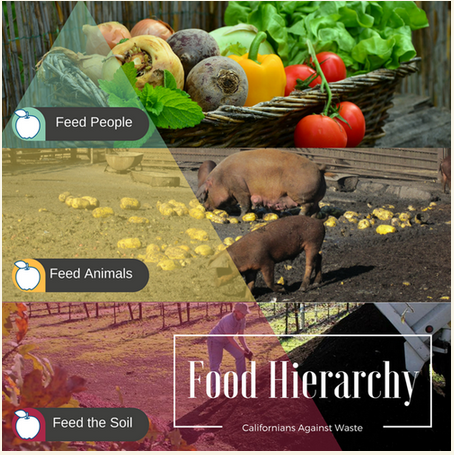
Summary: AB 1219 will clarify and strengthen the laws that protect food donors, so that more food can go to those in need rather than into landfills. Currently many businesses are either unaware of food donor protection laws or they are unclear about some provisions of the laws.
Position & Status: CAW is a co-sponsor of the bill, along with the California Association of Food Banks.
Introduced February 17th, 2017
Passed Assembly Judiciary committee March 28th, 2017
Passed Assembly Appropriations committee April 26th, 2017
Passed Assembly Floor vote (74-0) May 4th, 2017
Passed Senate Health committee June 21st, 2017
Passed Senate Judiciary committee July 11th, 2017
Passed Senate Floor vote (39-0) September 11th, 2017
Passed Assembly concurrence vote (79-0) September 13th, 2017
Signed into law on October 9th, 2017.
Description: In 1977, California became the first in the nation to enact legislation to protect good faith food donors from liability in order to encourage food donations, and soon afterwards national legislation was enacted.
California’s retailers, restaurants, consumers, and others discard millions of tons of wholesome, surplus food, often citing fears of getting sued as their top reason for not donating the food to food banks, food pantries, and other organizations that re-distribute food to individuals in need. Meanwhile, the state faces a hunger crisis that affects one in eight Californians, including one in four children. While no business has ever been sued for donating food, many businesses either don’t know about the existing protections or cite confusing or ambiguous provisions in the law.
The California Good Samaritan Food Donation Act will strengthen the state’s food donor protection laws in order to maximize food donation. AB 1219 will make clarifications, such as food donated past the date label printed on the product is not gross negligence, this is due to the fact that many date labels on food have nothing to do with safety and are merely an indication of peak freshness. AB 1219 also extends protections to good faith donors, for example, the bill provides protections for those who donate food directly to individuals, which can help to enable the timely use of perishable food as well as make smaller quantity donations more efficient. Additionally, AB 1219 requires Environmental Health Officers, during inspections of food facilities, to promote the recovery of food for people by highlighting the laws which exist to protect food donors.
Contact: Erica Parker, (916) 443-5422
Current language, analysis, and votes
Supporters:
California Association of Food Banks (co-sponsor)
Californians Against Waste (co-sponsor)
Alameda County Food Bank
California Association of Nonprofits
California Food Policy Advocates
California Grocers Association
California League of Food Processors
California Retailers Association
Central Contra Costa Solid Waste Authority (Recycle Smart)
City of Sunnyvale
Clean River Alliance
Community Action Agency of Butte County
Community Alliance with Family Farmers
Emergency Food Bank Stockton/ San Joaquin
Feeding San Diego
Food Bank Coalition of San Luis Obispo County
Food Bank of Contra Costa and Solano
Food Finders
Food for People, Inc.
Food Forward
Food Law and Policy Clinic of Harvard Law School
Food Link of Tulare County
Food Shift
Food System Alliance
Health Officers Association of California
Imperial Valley Food Bank
Jacobs & Cushman San Diego Food Bank
Los Angeles Regional Food Bank
Los Angeles Food Policy Council
Los Angeles Unified School District
Meet Each Need with Dignity
Merced County Food Bank
Mojave Desert & Mountain Recycling Authority
Napa Recycling & Waste Services
Natural Resources Defense Council
Northern California Recycling Association
Oakland Food Policy Council
Redwood Empire Food Bank
Second Harvest Food Bank, Orange County
Second Harvest Food Bank, San Juaquin & Stanislaus Counties
Second Harvest Food Bank, Santa Cruz County
Sierra Harvest
Solid Waste Association of North America (SWANA)
St. Francis Center
Stop Waste
Sustain LA
Tri-City Economic Development Corporation
Western Center of Law and Poverty
Yolo Food Bank
Yuba-Sutter Food Bank
AB 1288 (Eggman) Tip Fee Reform
Summary: AB 1288 seeks to address the need for more organics recycling infrastructure in order to meet the 75% organic waste diversion mandate set by the Short-Lived Climate Pollutant law, SB 1383.
Position & Status: CAW is the sponsor of the bill. This is not an active bill.
Introduced February 17th, 2017
Passed Assembly Natural Resources Committee April 24th, 2017
Passed Assembly Appropriations committee May 17th, 2017
Passed Assembly Floor vote May 22nd, 2017
Next Step: Referred to Senate Environmental Quality Committee. Hearing in 2018, 2-year bill.
Description: As cities begin to comply with these organic waste diversion rates, they will have to face tough decisions when deciding how to fund new recycling programs. Raising the funds at a statewide level will allow for the funding of needed infrastructure without tough decisions at the local level. If the state is going to meet its organic waste diversion mandates, significant investments in additional organics recycling facilities are needed.
Contact: Nick Lapis, (916)-443-5422
AB 1294 (Berman) Recycled Content Disclosure- SIGNED INTO LAW
Summary: Extends the sunset of a requirement for manufacturers and suppliers of plastic products which contain claims of recycled content to maintain documentation that supports those claims.
Position & Status: CAW is the sponsor of the bill.

Introduced February 17th, 2017
Passed Assembly Natural Resources committee April 3rd, 2017
Passed Assembly Appropriations committee April 26th, 2017
Passed Assembly Floor vote (76-0) May 4th, 2017
Passed Senate Environmental Quality committee June 7th, 2017
Passed Senate Floor vote (40-0) September 14th, 2017
Signed into law on October 11, 2017
Description: This bill would eliminate the sunset of a requirement concerning recycled content claims. Manufacturers and suppliers of plastic food container products are currently required to maintain documentation that supports their claims of recycled content, in order to stop companies from making unsubstantiated claims. This provision was set to end in 2018, but the law has proven to be useful in keeping recycled content claims truthful. Maintaining this requirement will provide needed transparency so that Californians can trust environmental claims made on plastic food containers.
Contact: Tony Hackett, (916) 443-5422
Current Language, Analysis, and Votes
Support:
Californians Against Waste (Sponsors)
Association of Plastic Recyclers
Global Plastics
AB 1594 (Bloom) Ocean Plastic Pollution- Takeout Food Packaging
Summary: AB 1594 directs the Ocean Protection Council to study the sources and types of ocean plastic pollution and to come up with recommendations for strategies to reduce ocean plastic pollution.
Position & Status: CAW is supporting this bill. This is not an active bill.
Introduced February 17th, 2017
Passed Assembly Natural Resources committee April 24th, 2017
Passed Assembly Appropriations committee May 24th, 2017
Passed Assembly Floor vote May 30th, 2017
Next Step: Referred to Senate Environmental Quality committee. No hearing date set.
Description: Up to 80% of ocean pollution is litter from urban runoff, and non-recyclable single-use food packaging is a primary component of urban litter. Takeout food packaging comprises a disproportionately large portion of non-recyclable waste and is the second greatest component of litter (behind tobacco products), comprising 20-30% of all litter. Single-use food packaging litter kills wildlife such as birds and endangered sea turtles that become entangled or mistake it for food.
Polystyrene and other non-recyclable packaging have a high propensity to be littered because they are light and aerodynamic and are consumed away from home. Recycling opportunities polystyrene and most other plastic take-out food packaging are limited, and no widespread recycling scheme for polystyrene has ever been successfully implemented. Without state action to address the problem of ocean plastic pollution as a result of takeout food packaging litter and waste, local agencies have been left to enact a patch work of local restrictions: Santa Monica has banned non-recyclable packaging; San Francisco and others have banned polystyrene packaging; Oakland has enacted a ‘litter tax’ on the fast food sector. Almost 100 total jurisdictions have banned expanded polystyrene food takeout packaging from food vendor distribution. AB 1594 is an important step in the reduction of non-recyclable litter and waste entering our marine environment.
Contact: Nick Lapis, (916) 443-5422
AB 1884 (Calderon) - Straws Upon Request
Summary: In an effort to stop plastic pollution and reduce the overwhelming amount of single-use plastic Californian's consume on a daily basis, Assembly Bill 1884 would require sit-down restaurants in California to forgo the automatic distribution of straws in every drink, and instead only provide a straw when it is requested by the customer.
Position & Status: CAW supports the bill.
Introduced January 17, 2018
Amended February 5, 2018 to move bill provisions to a stand-alone code section, not subjected to health code violations.
Amended April 16, 2018 to exempt order-at-the-counter restaurants and include a maximum calendar-year penalty of $300.
Passed Assembly Natural Resources Committee on April 26, 2018.
Passed Assembly Appropriations committee on May 23, 2018.
Passed Assembly floor vote on May 30, 2018
Passed Senate Environmental Quality Committee on June 20, 2018.
Passed Senate Floor vote on August 20, 2018.
Passed Assembly Concurrence vote on August 23, 2018.
SIGNED INTO LAW! September 20, 2018
Press:
The Atlantic: A history of modern capitalism from the perspective of the straw. Seriously. June 21, 2018
Plastic Pollution Coalition The Straws Bill California Should Pass February 2, 2018
Sacramento Bee Environmentalism or ‘nanny state’? Efforts to regulate plastic in California take off February 2, 2018
Fortune: California Assemblyman introduces Straws-Upon-Request Bill January 30, 2018
CAW Staff Contact: Tony Hackett, (916) 443-5422
AB 2379 (Bloom) Plastic Microfiber Pollution
Summary: AB 2379 requires that all clothing made from more than 50% or more polyester include a label that warns of plastic microfiber shedding and recommends hand washing the item in order to reduce microfiber shedding.
Position and Status: CAW is co-sponsoring this bill with Story of Stuff.
Introduced February 14th, 2018
Double - referred to Assembly Natural Resources Committee and Assembly Environmental Safety and Toxic Materials Committee
Passed Assembly Natural Resources committee hearing (6-4)
Passed Assembly Environmental Safety and Toxic Materials Committee hearing (5-2)
The bill was not brought up for a vote on the Assembly floor by the June 1st deadline and is no longer active.
Description: Microfibers are a subcategory of microplastics consisting of plastic fibers that shed from synthetic fabric during regular washing. Right now, it’s estimated that synthetic microfibers are, by count, the single largest contributor to watershed plastic pollution in developed countries and account for a significant portion of plastic waste entering the ocean. Synthetic materials are ubiquitous in the clothing industry, with polyester being the single most used synthetic fiber globally and accounts for about half of the overall textile market. According to research from University of California, Davis which sampled fish and shellfish sold at local California fish markets, a quarter of fish and a third of shellfish contained plastic debris, with the majority of the plastic debris being microfibers. In a survey that compared 150 tap water samples from locations in five continents, microscopic plastic fibers were found in nearly every sample, with 94% of the United States water samples containing plastic microfibers. This raises an important question about the human health consequences that plastic microfibers can have on people who unknowingly consume them.
AB 2379 will educate the public on the environmental impact that their clothing has, as well as offer a recommendation to hand wash the item in order to reduce the number of microfibers that will shed from the garment when washed. This is the best first step that Californians can take to reduce plastic microfiber pollution until manufacturers find a way to prevent this problem.
CAW Contact: Tony Hackett, (916)-443-5894
Co-Sponsors: Story of Stuff
AB 2766 (Berman) - Plastic Market Development
Summary: AB 2766 would reinstate California's successful Plastic Market Development program to support in-state processing and manufacturing of beverage container plastic. The program sunset on December 31, 2017 when it's proposed extension in 2017 was included as part of a larger short-term Bottle Bill fix. As the State has yet to pass a short-term Bottle Bill fix, extension of the Plastic Market Development program - largely uncontroversial - has now been proposed as it's own legislative vehicle and on an urgency basis to prevent missed payments to California's beverage containers processors and manufacturers.
Position & Status: CAW supports the bill. This bill is no longer active.
Introduced February 16th, 2018
Amended March 19th, 2018 to include retroactive payments
Passed Assembly Natural Resources committee (7-0) on April 9, 2018.
Passed Assembly Appropriations committee (16-0) on May 25, 2018.
Passed the Assembly floor (78-0) on May 30, 2018.
Passed Senate Environmental Quality committee (6-0) on June 7, 2018.
Placed on suspense file in Senate Appropriations committee.
Held in suspense file, Senate Appropriations committee August 16- Died.
CAW Staff Contact: Tony Hackett, (916)-443-5894
AB 2779 (Stone/Calderon) - Connect the Cap
Summary: AB 2779 would require that every plastic bottle sold in California has a cap that is connected to its bottle by an as-yet specified date. By requiring connected caps, this bill would prevent bottle cap pollution in our environment, save bottle manufacturers money, and provide additional material for recyclers to recover. Bottle caps are currently recovered at a low rate compared to bottles and are one of the top three items found in every large-scale beach clean-up in California. Once a part of our environment, bottle caps are mistaken for food by wildlife, contribute to local government clean-up costs, and eventually become part of the ever-increasing plastic pollution problem in our oceans. AB 2779 is a reintroduction of AB 319 (Stone, 2017).

Learn the devastating effect of plastic bottle cap pollution on the Albatross species in a new documentary Albatross.
By Chris Jordan
Position & Status: CAW supports the bill.
Introduced February 16th, 2018
Passed Assembly Natural Resources Committee April 9, 2018
The bill was not brought up for a vote on the Assembly floor for a vote and is no longer active.
More details: Californians consume an average of 11.5 billion plastic bottles every year. Despite California's high recycling rate for all beverage containers, most plastic bottle caps are not returned for recycling. They are lost due to their size and easily blown out of trash bins and landfills and into our waterways. Every year, at least 5 billion and up to 10 billion plastic caps enter our natural environment every year. We have the solution: #ConnectTheCap!
Contact: Tony Hackett (916) 443-5422
The Mercury News: Editorial: End discardable plastic bottle caps in California April 28, 2018
AB 2908 (Berman) Tire Recycling Incentive Program
Summary: This bill creates a new incentive program, modeled after the successful Plastic Market Development program, for recycled end-uses of waste tires.
Position & Status: CAW is the sponsor of this bill. This bill is no longer active.
Introduced February 16, 2018
Passed the Assembly Natural Resources committee April 16, 2018
Passed the Assembly Appropriations committee May 25, 2018
Passed the Assembly floor vote May 30, 2018
Passed the Senate Environmental Quality committee June 28, 2018
Passed the Senate Appropriations committee August 17, 2018
Passed the Senate Floor Vote August 23, 2018
Passed the Assembly concurrence vote August 27, 2018
VETOED BY GOVERNOR September 20, 2018
Description: California generates more than 44 million waste tires every year, AB 2908 will significantly increase tire recycling, support local infrastructure development, and reduce the incentive for illegal dumping of waste tires. This bill requires CalRecycle to develop and establish the program, which provides incentives for products made from recycled tires, excluding synthetic turf, playgrounds, and tire derived fuel. This program is expected to double the state’s tire recycling rate from 37 percent to 75 percent by the year 2020.
CAW Staff Contact: Nick Lapis, (916) 443-5422
SB 168 (Wieckowski) - Minimum Recycled Content Standard
Summary: SB 168 would require all PET plastic beverage containers (plastic resin #1) made or sold in California to contain a minimum of 20% of post-consumer recycled material. Of the 12 billion plastic beverage containers sold in California every year, 97% of them are made of PET.
Additionally, SB 168 would authorize CalRecycle to establish minimum recycled content standards for beverage containers made with plastic resins #2-#7 after evaluating market conditions, supply, technology advancements, and environmental considerations. CalRecycle may adjust the minimum content requirements for all plastic containers as needed, but not more than once annually. Lastly, the bill would also require the department to analyze Bottle Bills in other states and countries and report to the Legislature on opportunities for overall Program improvements.

Position and Status: CAW is supporting this bill. This bill is no longer active.
Previous version of the bill was introduced, passed the Senate Environmental Quality Committee, and the Senate Appropriations Committee.
Previous language removed and amended to be SB 168 in it's current form January 18, 2018.
Passed the Senate floor January 29th, 2018.
Passed Assembly Natural Resources on June 25, 2018.
Passed Assembly Appropriations Committee on August 17, 2018 with amendments to narrow the bill to only plastic beverage containers.
Amendments to require 20% minimum recycled content for PET beverage containers are actively going into print (as of 8.23)
Passed Assembly Natural Resources Committee (re-referral) on August 28, 2018.
Failed Assembly Floor vote on August 31, 2018- Died
Description: SB 168 is authored by Senator Wieckowski (D-Fremont). PET recycling in California is facing incredible challenges, especially when it comes to making recycled PET commodities that have to compete in a marketplace with virgin PET. This challenge has been exacerbated by the recent implementation of the National Sword, China's policy which bans the import of 24 types of solid waste material and sets strict limitations on allowable contamination of recyclable plastics. Drastic drops in oil prices have had the effect of undermining the demand and price for California-generated recycled materials—California recycled material processors and recycled product makers are starting to lose market share to out of state/country ‘virgin’ producers. This bill would require the state to establish minimum recycled content standards for beverage containers made from all material types, which compliments other minimum content laws that the state has already adopted.
CAW Staff Contact: Mark Murray, (916) 443-5422
SB 452 (Glazer) Bottle Bill Fix
Overview: SB 452 would help keep recycling centers open during these uncertain recycling times by increasing the financial assistance they receive from the State. California's Beverage Container Recycling Program has been the most successful "Bottle Bill" program in the United States since it's implementation in 1987. However, California's Bottle Bill program is currently in a state of crisis. Falling scrap values and outdated regulatory provisions have reduced financial support for California's recycling infrastructure to unsustainable levels.
Payment levels to Curbside and Buyback Recycling Programs are down more than $30 million—despite a program fund surplus of more than $200 million
Nearly 1000 recycling centers have closed since peak recycling in 2013, roughly 38% of the statewide total, leaving many Californians without redemption opportunities.
California's beverage container recycling rate has fallen below 80% for the first time since 2008. This drop in recycling is equivalent to an additional 1.7 million beverage containers littered or landfilled every day

Bill Summary: Stakeholders agree that long-term program updates are needed, but California's recycling infrastructure needs an immediate fix. SB 452 contains elements for a short-term bottle bill fix that have been analyzed, heard, and passed by the State Assembly in 2017, including the following:
Increasing Processing Payments to 2015 levels
Allocating $3 million in surplus funds to establish recycling opportunities in rural and other underserved areas
Redirecting State enforcement resources from outdated and inefficient store ‘take back’ requirements to siting and supporting full-service community recycling locations
Position & Status: CAW is supporting the bill.
Introduced February 17th, 2017
Amended April 4, 2018 to include provisions for the Bottle Bill Fix
Amended April 24, 2018 to take technical amendments and accept Co-Authors
Passed the Assembly Natural Resources Committee on June 26, 2018
Passed Assembly Appropriations Committee on August 17, 2018
Passed Assembly Floor Vote on August 29, 2018
Passed Senate Environmental Quality August 30, 2018
Passed Senate Floor Concurrence vote on August 31, 2018
Vetoed by Governor on September 30th, 2018
CAW Staff Contact: Mark Murray (916) 443-5422
SB 458 (Wiener) Beverage Container Recycling Pilot Projects
Summary: In light of California's beverage container recycling center closure crisis, SB 458 authorizes the creation of five pilot project recycling centers across the state. Until 2022, these centers will bring beverage container recycling services to areas that currently have little to no ability to redeem their deposits paid on beverage containers.
Position & Status: CAW supported the bill.

Introduced February 17th, 2017
Passed Assembly Natural Resources Committee April 3rd, 2017
Passed Assembly Appropriations Committee May 24th, 2017
Passed Assembly Floor vote (73-2) May 30th, 2017
Passed Senate Environmental Quality Committee July 5, 2017
Passed Senate Appropriations Committee August 28, 2017
Passed Senate Floor (30-0) September 12, 2017
Passed Re-Referral to Assembly Natural Resources Committee September 13, 2017
Passed Assembly Floor vote (52-22) September 15, 2017
Signed into law on October 10, 2017!
Contact: Tony Hackett, Policy Analyst (916) 443-5422
SB 705 (Allen) Ocean Pollution Reduction Act of 2017
Summary: SB 705 is a measure which would phase out expanded polystyrene (commonly known as 'Styrofoam') takeout food packaging statewide.

Position and Status: CAW is supporting this bill. This bill is no longer active.
Introduced February 17, 2017
Passed Senate Environmental Quality committee April 25th, 2017
Passed Senate Appropriations committee May 26, 2017
Fell 6 votes short of passage for Senate floor vote. Eligible for reconsideration January 2018.
Gained the support of 3 more Senators for the bill's second Senate floor vote on January 30th, 2018. The bill fell only 3 votes short of passage and is no longer active.
Description: California law mandates a 75% statewide waste diversion goal by 2020, and in order to achieve that goal the amount of packaging going into landfills must be decreased. Food packaging such as expanded polystyrene, or foam plastic, has a low recycling rate in the state due the lack of available recycling locations as well as the contamination of food making it virtually useless for recyclers. Polystyrene is one of the largest components of marine debris pollution because it is easily transported by wind and rain into the marine environment. Once in the environment, it kills marine wildlife, including sea birds and turtles, which mistake it for food. SB 705 would ban the use of 'Styrofoam' food takeout containers statewide.
Up to 80% of ocean pollution is litter from urban runoff, and non-recyclable single-use food packaging is a primary component of urban litter. Takeout food packaging comprises a disproportionately large portion of non-recyclable waste and is the second greatest component of litter (behind tobacco products), comprising 20-30% of all litter. Without state action to address the problem of ocean plastic pollution as a result of takeout food packaging litter and waste, local agencies have been left to enact a patch work of local restrictions: Santa Monica has banned non-recyclable packaging; San Francisco and others have banned polystyrene packaging; Oakland has enacted a ‘litter tax’ on the fast-food sector. Almost 100 total jurisdictions have banned expanded polystyrene food takeout packaging from food vendor distribution.
Amendments taken in the Senate Appropriations Committee: SB 705 would enact a tiered implementation of the ban to accommodate smaller restaurants. Large restaurants would be required to comply by January 1, 2020, and smaller, non-chain restaurants would implement the law two years later, in 2022. K-12 school, correctional facilities, and state hospitals would be exempt from the bill. Additionally, restaurants would be allowed to apply for a hardship exemption that could exclude them from the bill's requirements.
CAW Staff Contact: Nick Lapis, (916)-443-5422
SB 1335 (Allen) - Sustainable Food Packaging at State Parks, Beaches, and Facilities
Summary: SB 1335 would help California meet its waste diversion goals by ensuring that all disposable food packaging provided at food service facilities serving to, or located in, a state agency or facility, or from a concessionaire on state property - such as a state park or beach - is recyclable or compostable. "Packaging" would include all bowls, cups, plates, containers, and trays.
For easy compliance with this measure, this bill would require CalRecycle to host and maintain a list of materials that are in compliance with SB 1335, including thermoformed polyethylene terephthalate (PET, plastic resin #1), paper or paperboard, aluminum, or compostable plastic - materials that have demonstrated their ability to be recycled in California. CalRecycle may update this list at any time, but no less frequently than every five years.
Position & Status: CAW is sponsoring this bill
Introduced February 16th, 2018
Passed Senate Natural Resources Committee on April 24, 2018 with amendments
Amended April 25, 2018 in to incorporate clarifying amendments by the Natural Resources Committee.
Amended May 7, 2018 to ease compliance by food vendors with a publicly accessible list of acceptable materials.
Passed the Senate Floor May 30, 2018
Passed the Assembly Natural Resources Committee on June 25, 2018.
Placed on suspense file in Assembly Appropriations Committee
Passed Assembly Appropriations Committee on August 17, 2018 with amendments to clarify that the bill applies to all food operations on state properties, such as food trucks.
Passed Assembly Floor Vote on August 31, 2018.
Passed Senate Floor concurrence vote on August 31. 2018.
SIGNED INTO LAW! September 20, 2018
CAW Staff Contact: Tony Hackett, (916) 443-5422
Read the Fact Sheet for a list of all supporting organizations
SB 1263 (Portantino) Statewide Microplastics Strategy
Overview: A growing body of research has shown that microplastics are present in marine environments, within marine organisms, and in drinking water. The sources of these contaminants must be addressed, and SB 1263 will help the state develop a long term strategy for dealing with this pressing concern by requiring the Ocean Protection Council to create a Statewide Microplastics Strategy.
Position and Status: CAW is supporting the bill.
Passed the Senate Environmental Quality committee April 18, 2018
Passed the Senate Natural Resources and Water committee April 24th, 2018
Passed the Senate Appropriations committee May 25, 2018
Passed the Senate floor May 31, 2018
Passed the Assembly Water, Parks, and Wildlife committee on June 26th, 2018
Passed the Assembly Environmental Safety and Toxic Materials committee June 26th, 2018
Passed the Assembly Appropriations committee August 15th, 2018
Passed Assembly floor vote August 27, 2018
Passed Senate Concurrence vote August 28, 2018
SIGNED INTO LAW! September 20, 2018
Description: SB 1263 directs the Ocean Protection Council (OPC) to develop, adopt, and implement a Statewide Microplastics Strategy. In a survey that compared 150 tap water samples from both large cities and small towns on five continents, microscopic plastic fibers were found in nearly every sample. 94% of the water samples from the United States contained plastic microfibers. Micoplastic pollution isn’t unique to just tap water, two recent studies have shown that microplastics are present in bottled water as well. One study found that 19 out of 20 bottled water brands analyzed were contaminated with microplastics. Research on the presence of anthropogenic debris in seafood being sold for human consumption in California found that 25% of individual fish and 33% of shellfish contained plastic in their guts.
CAW Staff contact: Tony Hackett, 916-443-5422
SB 1422 (Portantino) Testing Drinking Water for Microplastics
Overview: The public has a right to know if they are ingesting plastic. SB 1422 would require annual testing for the presence of microplastics in drinking water and the public disclosure of test results.
Position and Status: CAW is supporting this bill.
Passed the Senate Environmental Quality committee on April 18th, 2018
Passed the Senate Appropriations committee on May 25th, 2018
Passed the Senate floor May 31st, 2018
Passed the Assembly Environmental Safety and Toxic Materials committee on June 26th, 2018
Passed the Assembly Appropriations committee August 16th, 2018
Passed Assembly floor vote August 30, 2018
Passed Senate concurrence vote August 31, 2018
SIGNED INTO LAW! September 28, 2018
Description: A growing body of research has shown that microplastics are present in marine environments, within marine organisms, and in drinking water. In a survey that compared 150 tap water samples from both large cities and small towns on five continents, microscopic plastic fibers were found in nearly every sample. 94% of the water samples from the United States contained plastic microfibers. Microfiber pollution isn’t unique to just tap water, two recent studies have shown that microplastics are present in bottled water as well. One study found that 19 out of 20 bottled water brands analyzed were contaminated with microplastics. Consumers have a right to know what they are ingesting and SB 1422 will provide useful data on the presence of microplastics in drinking water. This bill will provide the public with information on the sources and ultimate destinations of plastic pollution.
CAW staff contact: Tony Hackett, 916-443-5422